Wednesday, 3 October 2018

Day 3 Inktober

Hi Everyone,

So day three could have been dark but decided against it lol anyway here it is.

Doing this however has got me thinking about how I could make an ink game should start but meh for now here is day 3


Anyway have a great day!

Shaun

Tuesday, 2 October 2018

Day 2 - Inktober

Hi Everyone!

So day two for inktober has come and gone and I ended up doing two pieces of art instead meh the more the merrier I guess.

However this has given me a couple ideas for making a video game through Inktober to which should be great.

Anyway here are the images


Regards

Shaun

Monday, 1 October 2018

Inktober Day 1

Hi everyone!,

if there is anyone i'm even talking to at this point in time. I've decided to go full tilt and actually try and get things done talking time is over!

Yeah extreme but what ever i'm getting old >.> and feel like I want more to show for my time here so.... without further ado...

I'm going to be doing this inktober thing since its kinda a good way to get me doing the artworks heck maybe I should make a game out of it and use the inktober creations as apart of the game that could be cool lol.

anyway here is the first inktober image i did.

hoping to be posting more soon!

can also find me on instagram at https://www.instagram.com/artisanape/

Till Next Time

Shaun

Thursday, 1 September 2016

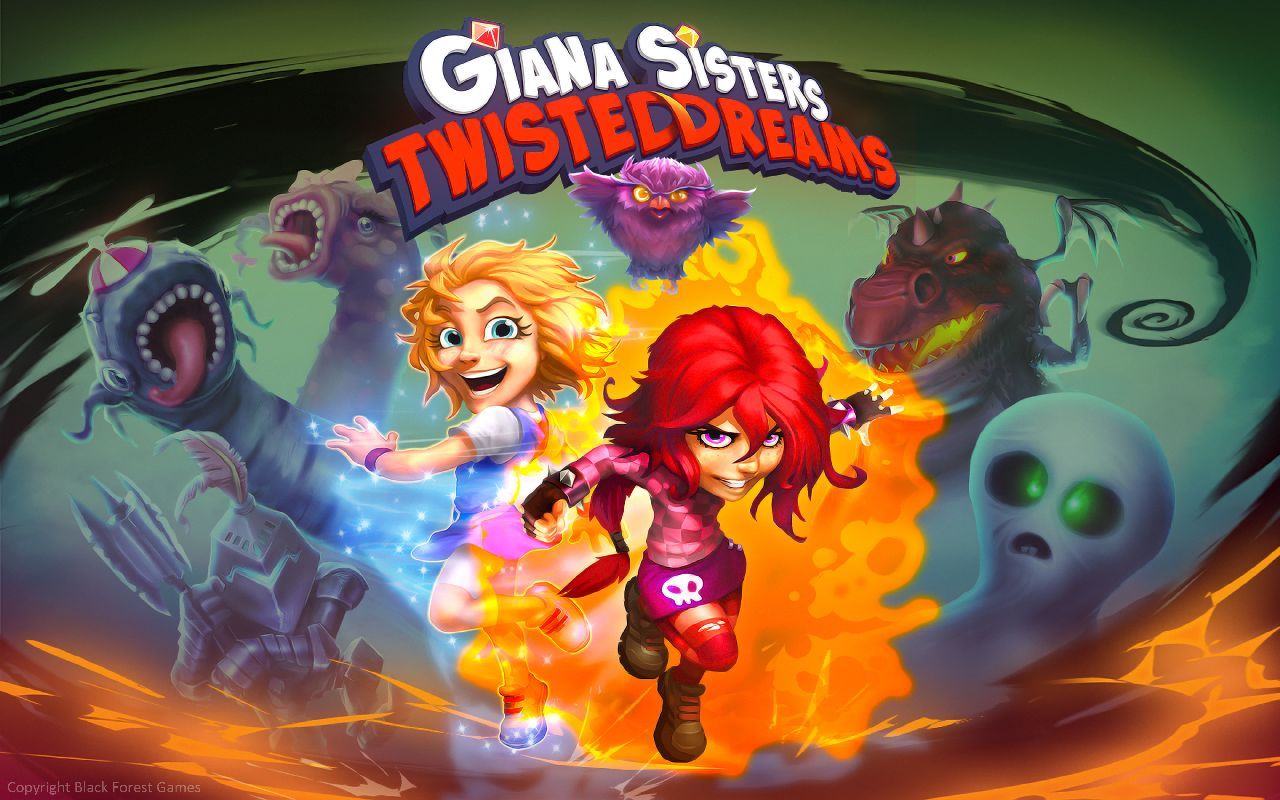
Giana Twisted Sisters - 4th Dimensions World Design


When I played this game the first time around I didn’t really focus much on the dimension switching involved in the gameplay. Even though this was a main part of the game play it felt smooth in transitions between the two realities. Thinking about it like this from a new player’s perspective without looking purely at it as a gameplay mechanic is a great perspective as the best games are able to implement systems that do not feel out of character to the player. Playing the game, the second time around and with this lecture in mind, I began to notice all the little systems within the game and how they work as a whole with the gameplay. When the player switches from sister to sister there is a drastic change in how the game setting is viewed. When you switch from the blonde sister the game visually changes to a darker and sinister world which the second sister inhabits. this mechanic is essential to being able to complete levels as certain platforms will only appear depending on which sister that you are. Sometimes the player will have to change sister mid-air in order to pass some of the obstacles in the game. This forces the player to try and think on a more aware level and introduces an interesting puzzle for the player to overcome. In some of the puzzles the game plays on the player needing to remember where platforms were for the other sister so that when they jump they can land on platforms only available to them.

Image Reference
http://brutalgamer.com/wp-content/uploads/2013/07/giana-sisters-twisted-dreams-pc-1363291930-088.jpg

Monday, 8 August 2016

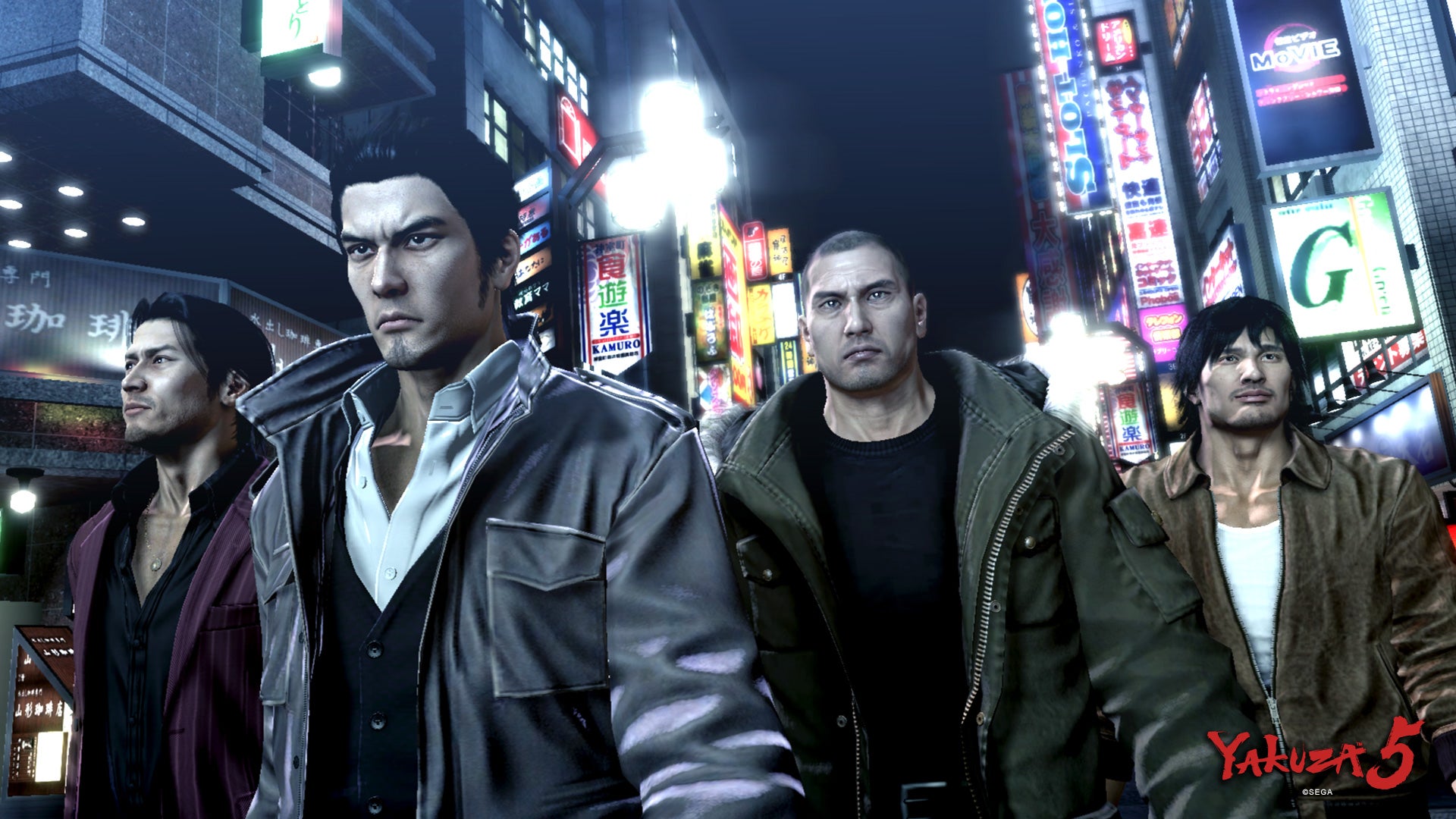
The right kind of pacing - Yakuza 5

Keep the pace just right boys
This week's class was about the use of pacing within video games, and how it is important to the success of video games to be able to encourage players to game in flow. I chose to play Yakuza 5 this week, playing the game from a critical point of view regarding the way the game is paced. The start of the game lays the foundation rather well for the player giving some insight into the dangerous world of the Yakuza. It sets the player up as Kazuma Kiryu, A man who's past won't leave him alone as his old Yakuza gang is trying to forge an alliance in the city he now lives in. The game lets the player know that there is a lot at stake. To lighten the tone the player is then given a reprieve to find a gift for another cab company for an earlier discretion. After this the player and the boss of the taxi company go out for food and drinks. The pacing is still slow and is building, in the last hostess club the player is then introduced to the fighting mechanics as he sorts out a bunch of unruly patrons. The flow in combat like the rest of the game is seamless and easy to learn. This then ends the night, and the player then goes to work in the morning. What I found with Yakuza 5 is that its flow is very similar throughout. Below is a pacing chart for the first chapter of the game. 


The player is given a lot to think about and then is hit with combat to keep the player engaged. After the combat is over the player is then given a reprieve to do things that are less stressful. I liked the pacing as it was not trying to overwhelm the player all the time. It made me appreciate the windows in between the combat such as being a taxi driver. It's in these exchanges that the player can be lucky to observe some really human interaction. The flow of the game is in such a way that it feels like a slice of life from each different mini game within the broader spectrum of the full game. The flow from each scene to scene is seamless like water. The best uses of pacing are generally found in most games that are story orientated and I believe this is down to the way that it manages to keep the flow of the character going. If the player is asked to do too much all the time it will get frustrating as there would be no break but if the player is not being pushed to do anything at all they will grow bored and stop playing. Finding the optimal state of flow is the essence of great game design. Great pacing should be like water, why you may ask? "Water can flow or it can crash be water my friend" - Bruce Lee

Image References
https://i.kinja-img.com/gawker-media/image/upload/cfzieaifq2935r4e2jvs.jpg

Sunday, 31 July 2016

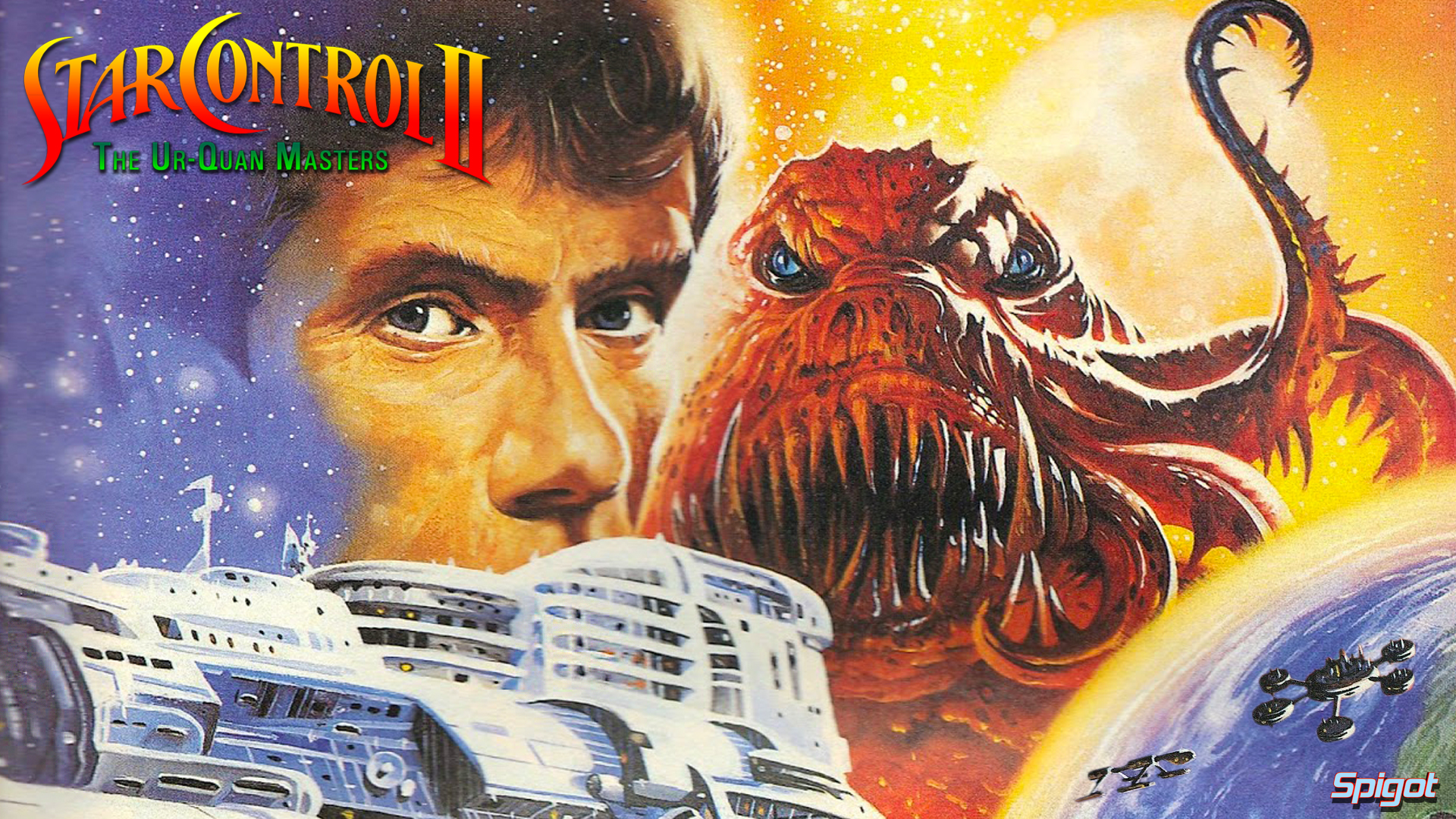
Galaxy Building Star Control 2

That red monster in the back is a nice conqueror 
The worldbuilding taking place in Star Control 2 is a monumental achievement for a game of its era. The introduction lays the ground work for the game and sets the player up as the saviour of the galaxy. This isn't a game about worldbuilding its a game about galaxy building as the share size of the galaxy is enormous. The start of the game and how to goes about explaining the origin reminded me of games such as the halo and mass effect series. Even going as far as to have a race who's technology was far greater than anyone else's after them. Upon playing the game I found that the dire situation to which the player is placed in does a fine job of giving the player motivation to continue playing it also establishes the world that the player is going into. The many worlds that inhabit the solar system in the game are similar in the way that the player interacts with them however it does enough to make the player feel like each planet is different and unique. Along with these unique planets are the alien races that inhabit them, so far I've only managed to contact maybe half the alien races that I believe to be included in the game. An interaction with each alien race is distinctive and does not feel formulaic, 

The casualties of war
I found the alien race Zoq Fot Pik humurous with their multi-cultural society. The games months carry on and if you miss certain information you miss chances to be able to either save another race or recruit another race into your cause. I found this out the hard way as I did not heed the call for help from Zoq Fot Pik and their entire race were wiped out by the enemy. I felt sad about what happened but also thought that it was a brilliant piece of worldbuilding taking place, a world that does not wait for the player much similar to how real world time operates. It's this familiarity with the concept of time that makes this world much more believable. In this instance I also felt that the best worldbuilders build worlds that people want to actively participate in. When you take a look at books or other video games with well built worlds people dedicate hours and years to thoroughly explore these worlds over and over again, think Skyrim, Lord of the rings or even Destiny. This was more evident to me when I found myself still playing Star Control 2 well into the 18 hour mark, and the more time I invested in this world the more I wanted to see my quest to save the galaxy through to the end.

Friday, 29 July 2016

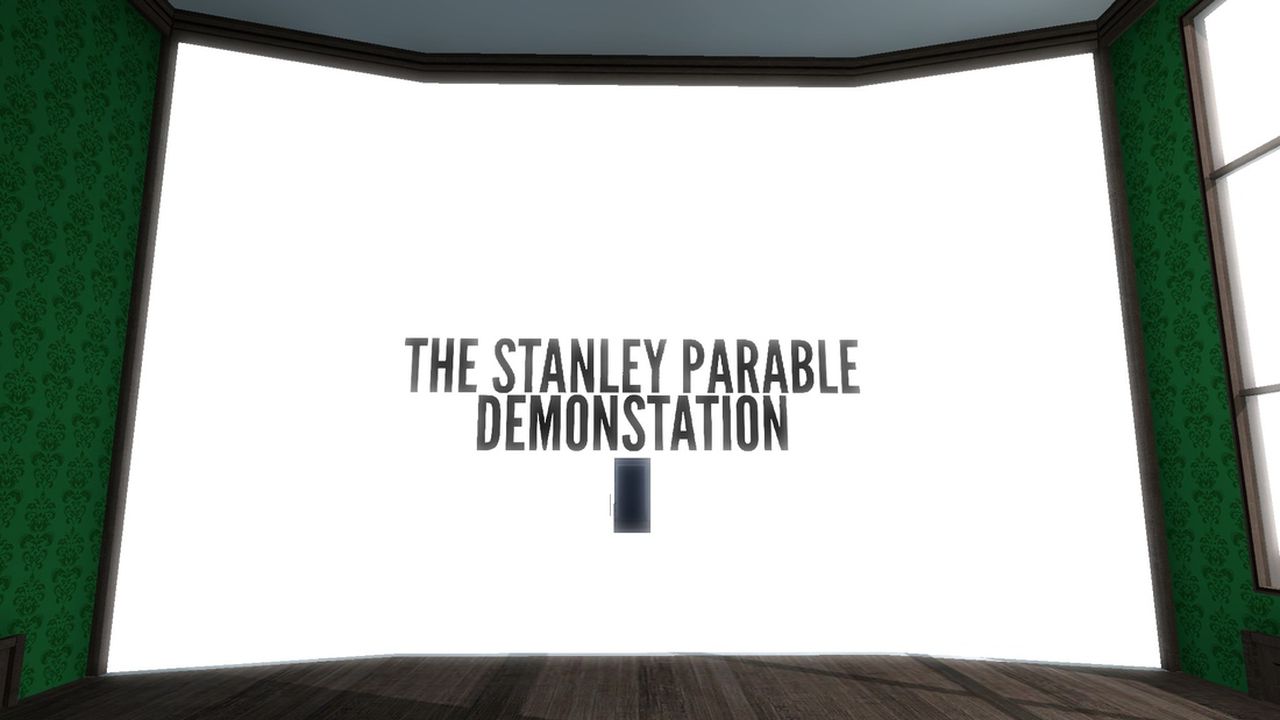
This is Not a Promise To Share My thoughts on The Stanley Parable Demo

You're almost about to play the demo

The demo that was not a demo but rather a gathering of thoughts that seemed coherent but weren't really coherent but placed in a way to make sense of nothing much at all to begin with. This to me sums up how I felt about playing the Stanley Parable demo. Can this even be called a demo? can it even be called a game to begin with? What is a game? These are the kinds of questions that I ask myself after playing this game. Its breaking of the fourth wall is an experience that puts the player right into the front seat. The game is very aware of the player and it's this awareness that carries this experience, if this is a precursor to the actual game it would do the game justice of encourages players to purchase the retail version to see where the game wants to take you or accuse you of next. 

I did not press this button for 10 minutes
The way the game speaks to the player it feels alive and yet very responsive to what the player is doing on screen, through all the dialogue it never felt to repetitive to the point where the narrator became annoying or overbearing he had the right mix of witty banter mixed in with direction to control the pacing of the game. It starts with the promise of a demo, and continually promises the player of this grandiose demo that's only just around the corner. It's a demo that's built upon the hype factor and trying to encourage the player to do strange things. Due to the way the game is setup I felt the need to constantly rebel against what the narrator was asking me to do, one of the first instances that this happens is the first time you walk into the screen room and it asks you to stay as still as possible for 20 minutes. I moved straight away and it triggered the next event. Another moment in the demo I felt carried weight was the first moment the player is presented with the yes or no answer for if they would purchase the full game, as the player approaches the platform his movement speed is slowed, its gives the player the feeling of physical weight to whether or not they would purchase it. It also likes to mention a lot that the decision to purchase the game should not be taken lately and should be an exciting prospect for the player. The game purposely tries to use reverse psychology on the player to be able to achieve a intriguing level of engagement. There are many scientific case studies where children are given a choice of eating the marshmallow now or wait for another 20 minutes and they would receive another marshmallow, it's the promise of more that some children will wait where others will not. This to me is exactly what the Stanley parable demo is. It is exactly as to what a demo should always be for any video game the promise of more.

Image References

https://cdn2.vox-cdn.com/thumbor/6d2eY16-GURgHTFl2ZgZkDz0Tt8=/0x72:1100x691/1280x720/cdn0.vox-cdn.com/uploads/chorus_image/image/20945843/2013-10-09_00005.0.jpg

https://i.ytimg.com/vi/eIELkO7zSZw/maxresdefault.jpg